
21 Walnut Street
Private Fergus George McLaughlin
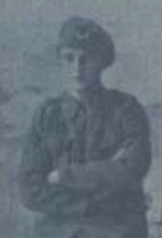
Fergus McLaughlin was the son of George and Minnie Murray McLaughlin. George had died before Fergus enlisted. He had four brothers and one sister. The family lived at 21 Walnut Street and attended the Paris Baptist Church. Fergus was employed as a mill hand at Penmans No. 1 mill, and he appeared on the company’s honour roll.
Fergus was 19 years old when he enlisted with the 25th Dragoons. He went overseas with that battalion and was drafted into the 7th Canadian Mounted Rifles. He had been at the front for 15 months and was wounded twice. In the summer of 1916, Fergus was in the area around the village of Zillebeke, Belgium, in the Ypres Salient. This area was where the Canadian Corps was positioned and actively fighting earlier in the summer and the previous year, during the 2nd Battle of Ypres, and was probably where Fergus had received his wounds. Canadian forces would have been part of the ongoing trench warfare in the Ypres sector of Flanders, where the Canadians were holding the line before their move south to the Somme.
On July 5, 1916, Fergus had been taken to a rest station suffering from shell shock. He died at the rest station. Shell shock in WW1 Canadian troops was a widespread psychological trauma, affecting thousands, causing symptoms like nightmares, paralysis, muteness, and confusion. It was initially misunderstood as brain damage but now seen as PTSD (Post Traumatic Stress Disorder) from intense combat stress.
During the First World War, it was treated with ineffective therapies like electroshock or talk therapy, and often led to stigma, institutionalization, or even execution for cowardice before modern understanding emerged. Shock therapy was sometimes seen as more effective at returning men to the front, though relapse rates were high.
Prolonged exposure to relentless artillery fire, fear, and the horrors of trench warfare led to a breakdown of the nervous system. Many soldiers hid symptoms due to fears of being seen as weak or cowardly, facing shaming, blaming, or even execution for desertion. Many returned home with lingering psychological wounds, and some veterans were confined to mental asylums after the war, with families sometimes unable to cope with violent outbursts.
Around 10,000 Canadian soldiers were officially diagnosed with shell shock, though the actual number was likely much higher.
Private Fergus McLaughlin’s name is inscribed on the Menin Gate Memorial, In Ypres, Belgium to recognize the 55,000 men who were lost during the defence of the Ypres Salient in the First World War.