
Corporal Roy Ewart Gladstone Henry
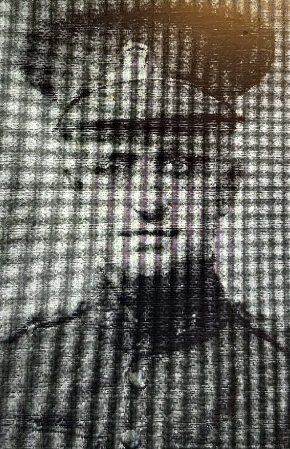
Roy Henry was born in Harriston on July 26, 1893, but he was working as a bank clerk In Paris when he enlisted on December 4, 1915. He was single, attached to the Church of England and 22 years of age when he enlisted with the Princess Patricia Canadian Light Infantry.
Princess Patricia's Canadian Light Infantry (PPCLI) played a pivotal role in the opening phases of the Battle of Cambrai in the fall of 1918. The regiment successfully crossed the Canal du Nord near Bourlon Wood and advanced toward Cambrai, heavily contributing to the Allied breakthrough of the Hindenburg Line. The PPCLI took part in the broader Allied offensive aimed at capturing the critical railway hub of Cambrai. They were tasked with crossing the partially destroyed and heavily defended Canal du Nord.
Utilizing immense bravery and tactical maneuvers under heavy artillery and machine-gun fire, the Patricias successfully secured crossings and penetrated the German lines. The fighting was incredibly fierce. The PPCLI suffered severe casualties, including many frontline officers killed or wounded during the push. Roy Henry was killed on September 28, 1918 during this battle. He was initially reported as missing but was later declared killed in action.
Despite heavy resistance, the regiment's grit paved the way for the ultimate capture of Cambrai less than two weeks later, severely damaging the German army's operational stability. Corporal Roy Henry is buried in the Canada Cemetery in Tilloy-les-Cambrai. Tilloy was captured on October 1, two days after Corporal Henry was killed. The cemetery was made on October 13. It is enclosed by a brick wall and sheltered from the road by a row of willows. A maple tree is planted in the southeast corner.